Navigating Mobile App Features for Responsible Play in Quebec Texas Hold'em Events
Alex Albrecht · Sep 10, 2026
Navigating Mobile App Features for Responsible Play in Quebec Texas Hold'em Events
Quebec's Texas Hold'em scene has expanded through mobile applications that connect players to regulated events while embedding tools designed to support controlled participation, and developers have integrated these options directly into the user experience so participants can manage their activity without interrupting gameplay flow. Data from provincial tracking systems shows that users who activate built-in controls tend to maintain session durations within intended boundaries according to reports from the Régie des alcools, des courses et des jeux.
Core Features Available in Quebec Hold'em Apps
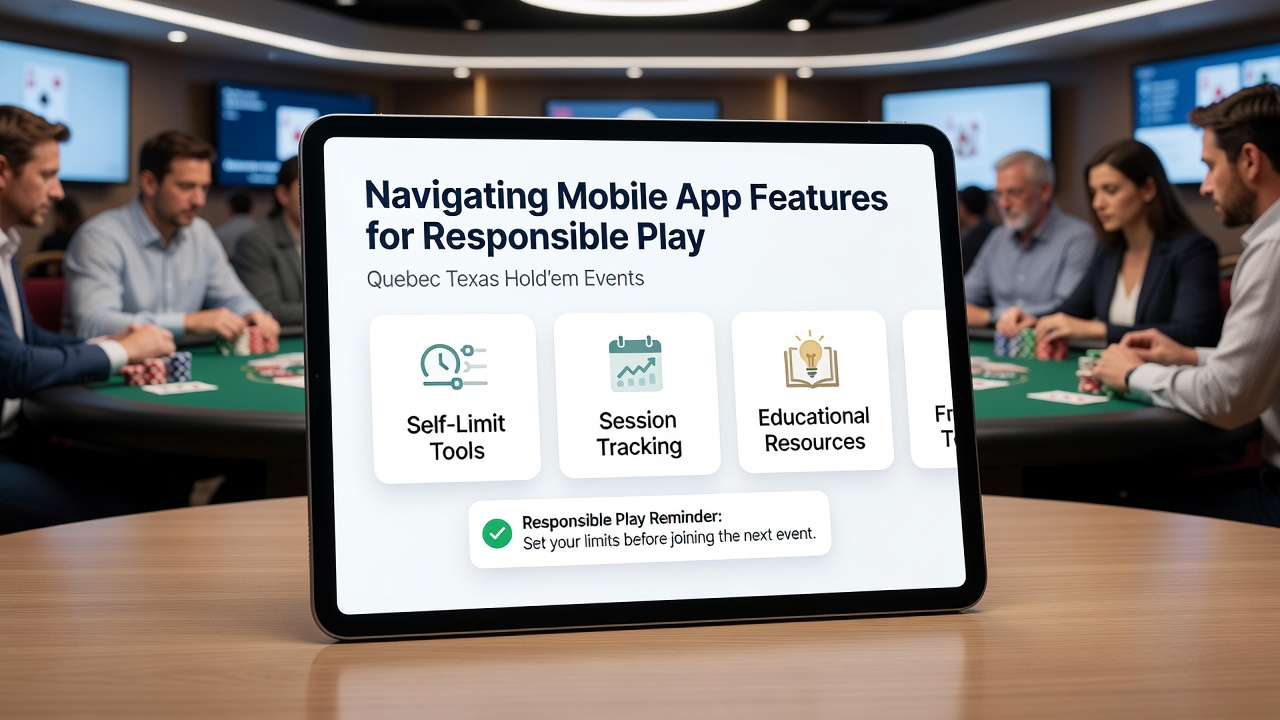
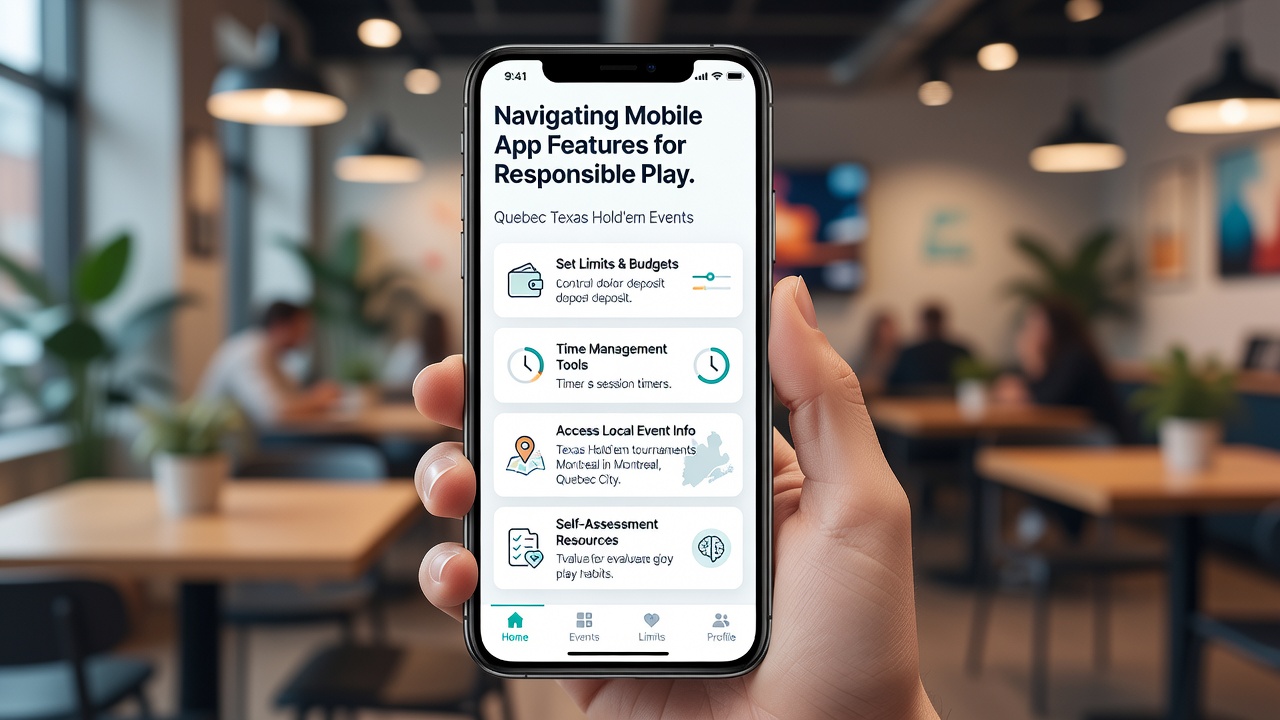
Most platforms licensed for Quebec offer deposit caps that players set before entering any cash tables, and these limits reset on daily or weekly cycles depending on the chosen configuration while the system blocks additional transactions once the threshold is reached. Session timers provide another layer where the application displays elapsed time at regular intervals and offers an option to extend or conclude the current play period, which helps those who prefer structured breaks during longer tournaments.
Reality check notifications appear as pop-up summaries that detail wins, losses, and total hands played after a user-defined interval, and this function draws from aggregated user data patterns identified in studies by the Canadian Centre on Substance Use and Addiction. Self-exclusion toggles allow temporary or permanent removal from active events, with the app automatically preventing re-entry attempts during the selected period and routing any remaining balance through standard withdrawal processes.
How to Access and Customize These Tools
Navigation begins in the account dashboard where a dedicated responsible play menu sits alongside tournament listings and cash game lobbies, and tapping this section reveals sliders for financial thresholds along with calendar selectors for exclusion dates. Players adjust settings through straightforward toggles rather than complex menus, which keeps the process quick even when switching between portrait and landscape views on tablets or phones during live Quebec events.
Push notification preferences link directly to the same menu so that reminders about spending milestones arrive via the device's standard alert system, and users can choose to receive these messages in French or English to match language settings already applied across the rest of the application. Multi-device synchronization ensures that changes made on a smartphone carry over to a tablet if a player switches hardware mid-session, a feature confirmed through platform update logs released in early 2026.
Integration with September 2026 Tournament Schedules
September 2026 brings several major Texas Hold'em series to Quebec mobile platforms, and organizers have pre-loaded responsible play defaults into registration flows so that new entrants encounter limit prompts before confirming their seats. Event calendars within the apps flag daily tournaments with built-in break reminders timed to align with standard structure pauses, which reduces the need for manual adjustments during high-volume periods.
Developers tested these integrations against previous years' participation data and found that automated prompts correlated with steadier player retention across multi-day events, according to internal metrics shared at industry briefings. Those who have studied these patterns note that the combination of calendar integration and limit enforcement creates a smoother experience for participants who travel between physical venues and remote play options.
Additional Controls and Support Pathways
Some applications include cool-down modes that pause all table access for a set number of hours after a player reaches a personal milestone, and this option appears as a one-tap activation within the active session screen. Help sections link to provincial resources that outline further assistance programs, and the apps embed direct contact forms that route inquiries to licensed support teams operating under Quebec regulations.
Update cycles scheduled for late 2026 aim to refine gesture-based controls so that limit adjustments become possible through swipe motions while keeping the core menu structure intact, a change previewed in developer roadmaps circulated among licensed operators. Observers note that these incremental refinements build on existing frameworks rather than introducing entirely new systems.
Conclusion
Mobile applications serving Quebec Texas Hold'em events continue to refine their responsible play sections so that participants encounter practical options at every stage of engagement, from initial registration through ongoing tournament participation. These features operate within the province's established licensing requirements and draw on usage statistics that guide further refinements scheduled through the remainder of 2026 and beyond. Players who explore the dashboard menus gain access to the full range of controls without needing external tools, which keeps management of activity contained within the same environment used for gameplay itself.