Charting the Path from Basic Rules Mastery to Advanced Tournament Tactics Using Quebec's Approved Mobile Poker Resources
Eden Hayes · Nov 5, 2026

Charting the Path from Basic Rules Mastery to Advanced Tournament Tactics Using Quebec's Approved Mobile Poker Resources
Players in Quebec progress through structured learning paths when they use approved mobile poker resources to move from foundational rules to complex tournament strategies. These platforms organize content into sequential modules that start with hand rankings, betting rounds, and basic table etiquette before advancing to position play and pot odds calculations.
Foundational Learning Through Structured App Modules
Approved applications present rules in interactive formats that allow users to practice decision trees at their own pace, and data from platform analytics shows consistent completion rates for introductory sections across thousands of sessions each month. Observers note that beginners often revisit these modules multiple times before attempting simulated cash games, which builds familiarity with standard deck procedures and turn sequencing without external pressure.
Quebec's regulatory framework requires these resources to maintain clear separation between educational content and live play environments, so users encounter rule explanations through dedicated tutorials rather than in-game prompts alone. Research from Canadian gaming studies indicates that such separation correlates with higher retention of core mechanics among new participants over six-month periods.
Transitioning to Intermediate Strategy Development
Once basic rules solidify, players shift focus within the same approved applications to intermediate concepts including starting hand selection charts, continuation betting frequencies, and simple bluff detection patterns. These sections typically incorporate quiz formats and replay analysis tools that let users review past decisions against optimal benchmarks derived from large hand databases.
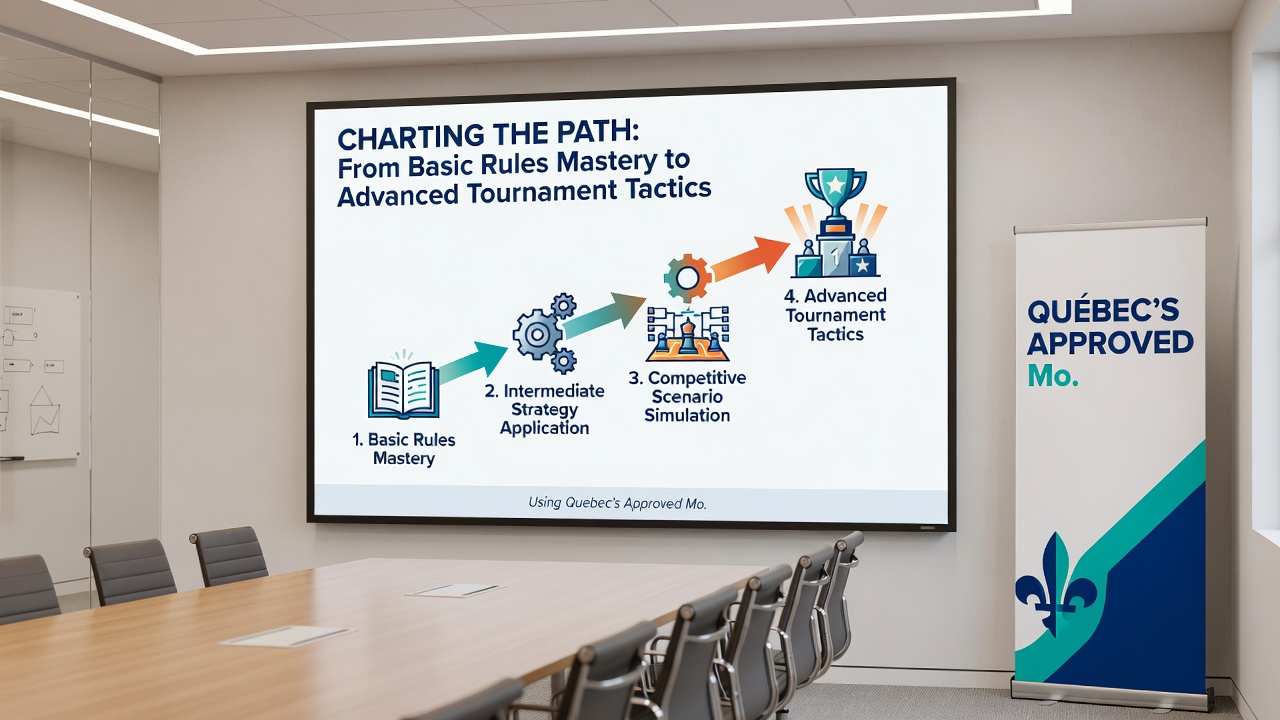
Application logs reveal that users spend an average of twelve to fifteen hours on intermediate modules before entering low-stakes practice tournaments, and those who've studied this progression often discover improved consistency in their pre-flop ranges. What's significant is how the platforms integrate probability tables directly into practice hands, allowing immediate feedback on equity calculations without requiring separate reference materials.
Advanced Tournament Tactics and November 2026 Updates
Advanced features appear in later app tiers that cover multi-table tournament dynamics, ICM pressure points, and late-stage adjustment strategies against varying stack depths. These modules draw on aggregated data from past events to illustrate concepts such as push-fold charts and three-bet sizing adjustments, and platform developers schedule content refreshes to align with major schedule changes.
In November 2026 several Quebec-approved applications plan to incorporate updated tournament structures reflecting new regional festival calendars, which will include expanded satellite pathways and revised payout distributions. Players who reach this stage frequently access scenario simulators that replicate final table pressure, and studies from international poker research groups show measurable gains in decision accuracy after repeated exposure to these tools.
One documented case involved a cohort of mid-level participants who used the advanced analytics sections to refine their river calling ranges, resulting in documented improvements tracked through in-app performance metrics over successive months. External resources such as reports from the Canadian Gaming Association provide broader context on how mobile platforms contribute to skill development across provincial borders.
Integration of Data Tools and Progressive Challenges
Throughout the progression users encounter layered challenges that combine rule application with tactical execution, such as timed hand quizzes that escalate in complexity as accuracy thresholds are met. These systems track metrics including fold frequency, aggression factors, and positional awareness, then generate personalized recommendations for the next practice focus area.
Academic analyses from European university gaming departments highlight similar patterns in skill acquisition when digital resources sequence content from concrete rules to abstract strategic modeling. Users in Quebec benefit from this approach because the approved platforms maintain consistent update cycles that incorporate fresh hand data from sanctioned events, keeping practice scenarios aligned with current tournament formats.
Conclusion
The pathway from basic rules mastery to advanced tournament tactics relies on sequential access to Quebec's approved mobile poker resources that emphasize measurable skill benchmarks at each stage. Platform data, regulatory guidelines, and cross-regional research all support the effectiveness of this structured progression for participants who follow the available modules in order. As updates continue through 2026, these tools will maintain their role in supporting player development across varying experience levels.